What is a Heat Sink Pad?
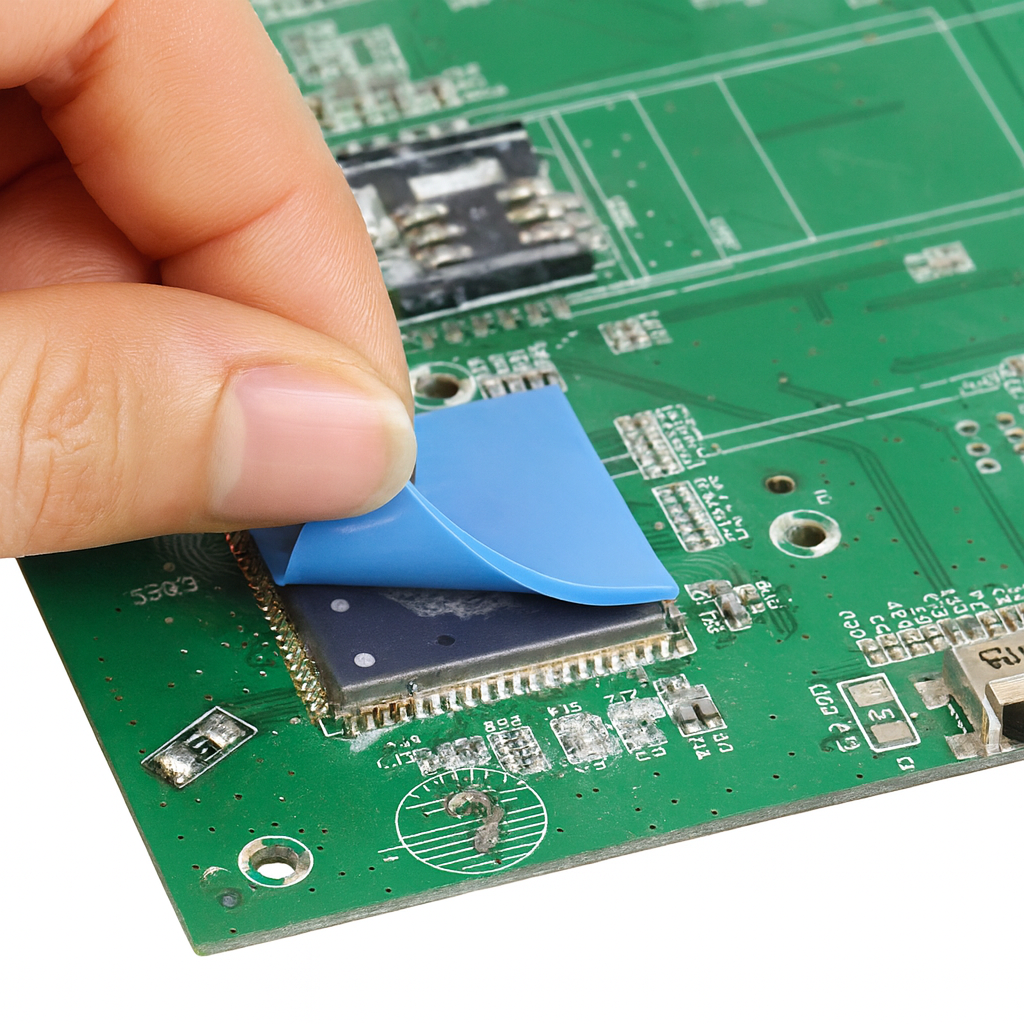
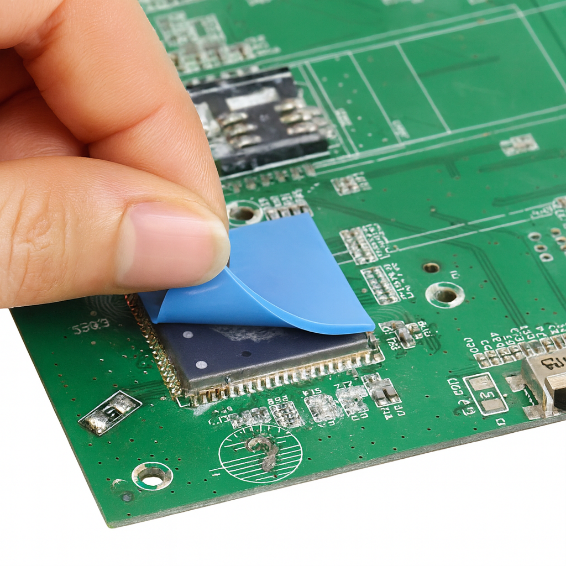
A heat sink pad, or thermal pad, is a soft, thermally conductive layer placed between electronic components and the surface of a heat sink or cooler. Since the surfaces of electronic parts such as CPUs, GPUs, or power modules are never perfectly flat, these irregularities reduce heat transfer efficiency. The thermal pad fills these gaps and creates an effective path for heat transfer to the heat sink. For this reason, this small component plays a very important role in the stable performance of electronic equipment.
Types of Heat Sink Pads
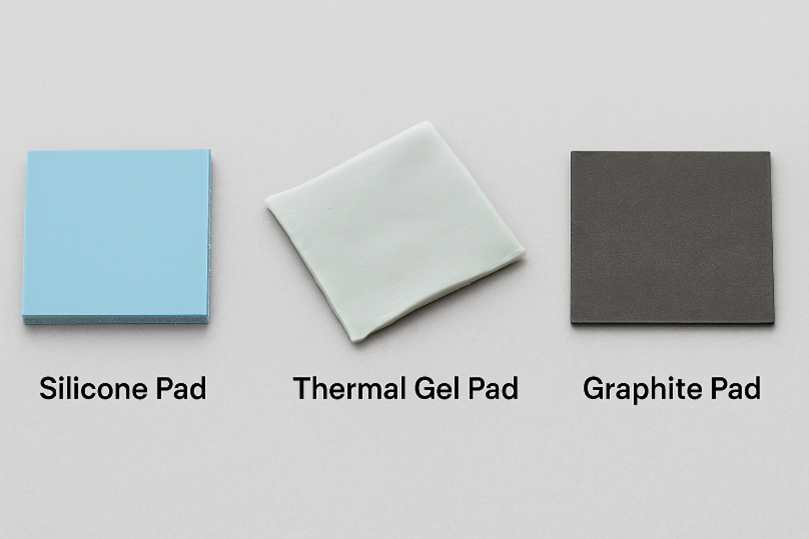
Thermal pads come in different types, each suited for specific applications:
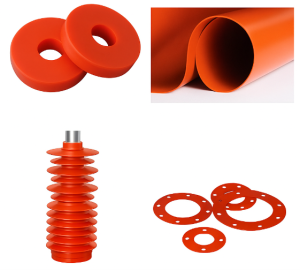
- Silicone Pads: The most common type, usually made of soft silicone, sometimes reinforced with a fiberglass layer in the middle. These pads are durable and widely used in industrial applications.
- Gel Pads (Thermal Gel Pads): More flexible than silicone, they conform very well to the surfaces of sensitive components.
- Graphite Pads or Advanced Materials: Offer extremely high thermal conductivity, suitable for specialized use in power electronics and high-power applications.
- Different Thicknesses: Produced from 0.5 mm up to 5 mm, with thickness chosen according to the gap size and component type.
Advantages and Features
Using a thermal pad provides several advantages, making it a popular choice across industries:
- Stable and uniform heat transfer
- High electrical resistance to prevent short circuits
- Flexibility to fill surface irregularities
- Easier installation compared to thermal paste
- Long lifespan and durability, even in harsh industrial environments
These qualities make thermal pads widely used in both household devices and industrial equipment.
Thermal Pad vs. Thermal Paste
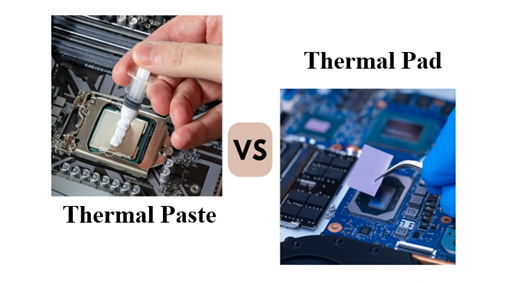
Many users wonder whether to choose a thermal pad or thermal paste.
- Thermal Pads: Simple and quick to install, longer lifespan, no need for precise application.
- Thermal Paste: Can provide higher conductivity in the short term, but eventually dries out and loses effectiveness.
In general, for industrial and long-term applications, thermal pads are the more reliable choice. However, in high-performance CPUs or GPUs, quality thermal paste may deliver better results.
Technical Specifications
When choosing a thermal pad, it’s important to know its technical properties:
- Thermal Conductivity (W/m·K): The higher the value, the better the heat transfer. High-quality pads usually range from 3 to 10 W/m·K.
- Operating Temperature Range: Most pads work between −40°C and +200°C.
- Hardness (Shore): Indicates the flexibility of the pad. Softer pads perform better on rough surfaces.
Applications of Heat Sink Pads
Thermal pads are critical in almost all electronic devices:
- High-power LED lighting systems: Prevent efficiency loss and extend lifespan.
- Power modules (IGBT, inverters): Ensure effective heat transfer and prevent component burnout.
- Laptops and graphics cards: Cool GPU and CPU chips for better performance during heavy processing.
- Telecommunication equipment and power supplies: Maintain stable operation during long work cycles.
How to Choose the Right Pad
Choosing the correct thermal pad depends on three factors:
- Thickness: Thicker pads are needed to fill larger gaps.
- Thermal Load of the Component: High-heat components require pads with higher thermal conductivity.
- Type of Application: Industrial applications need stronger, more durable pads, while consumer devices may use softer ones.
Installation and Maintenance
To achieve the best performance from a thermal pad, follow these steps:
- Clean the surfaces of the component and the heat sink thoroughly.
- Cut the pad to match the size of the component.
- Place it gently on the surface and ensure good adhesion.
- Replace the pad if it becomes discolored or hardened.
Conclusion
A thermal pad is a simple yet vital component for improving the efficiency and lifespan of electronic devices. The right choice, proper installation, and use of high-quality products can make a significant difference in device performance and durability.