Defects in electrical insulation can have highly detrimental—and in some cases, critical—effects on the performance and lifespan of electrical equipment. Below are some of the most significant impacts of various types of insulation defects:
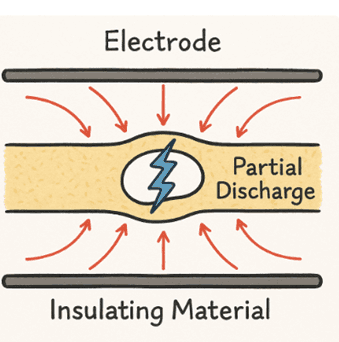
🔴 1. Voids and Porosity
- Electric field intensity is higher within voids, leading to partial discharge (PD).
- PD gradually deteriorates the insulation material and eventually results in electrical breakdown.
- Localized temperature rise near the voids accelerates thermal aging of the insulation.
⚠️ 2. Contamination
- The presence of moisture, dust, oils, or metallic particles within the insulation reduces its dielectric strength.
- Contaminants can create electrically conductive paths within the insulation (known as tracking), leading to insulation failure.
🔻 3. Microcracks
- These may form during resin curing or under mechanical stress.
- Microcracks are susceptible to partial discharges, which can rapidly evolve into complete failure.
🔸 4. Resin Dry Spots (Incomplete Resin Impregnation)
- Areas lacking resin may trap air or moisture, weakening insulation integrity.
- These regions often serve as initiation points for PD and eventual breakdown.
🟡 5. Non-Uniform Thickness
- Inconsistent insulation thickness causes electric field concentration in thinner regions, accelerating localized stress and degradation.
🧨 Overall Consequences of Insulation Defects
- Reduced service life of equipment
- Increased risk of sudden failure (breakdown)
- Lower operational safety
- Financial losses and unplanned operational downtime