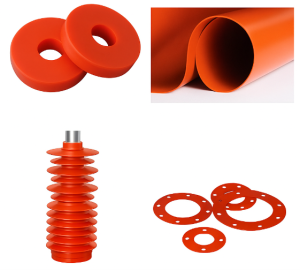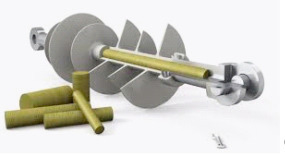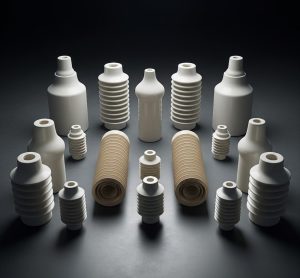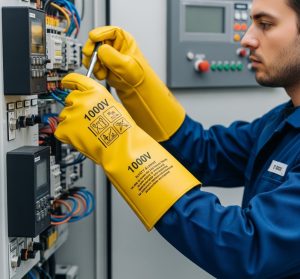
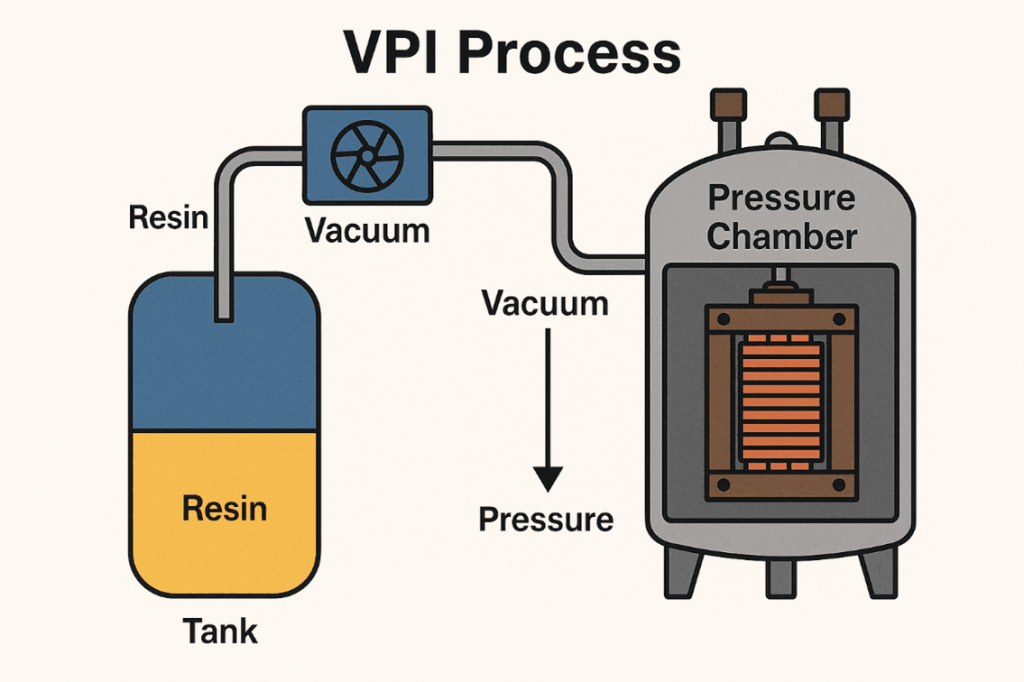
Vacuum Pressure Impregnation (VPI) is a widely used method in the electrical industry to enhance the insulation of equipment such as transformers, electric motors, and generators. This process is particularly suited for thermal and electrical insulation systems that demand high mechanical strength and durability under harsh conditions.
Resin Injection Under Vacuum and Pressure
- A specific resin (typically epoxy or polyester) is prepared and placed into a sealed chamber.
- A vacuum is applied to remove any trapped air or moisture within the windings and insulating materials.
- Then, positive pressure (usually 1–2 bar) is applied to force the resin into all internal voids, cracks, and spaces within the electrical equipment.
- As a result, the resin fully impregnates the windings and gaps, forming a uniform, solid, and robust insulating layer.
Key Functions of the VPI System
1. Enhanced Mechanical Strength
- The resin binds and reinforces the structure of windings and other electrical components, improving mechanical integrity and preventing vibration-related damage or loosening.
2. Moisture and Contaminant Resistance
- Resin impregnation seals internal components against moisture, dust, and airborne pollutants, which is vital for industrial and humid environments.
3. Improved Electrical Properties
- The high dielectric strength of the resin reduces leakage currents and increases breakdown voltage, enabling safer operation at higher voltages.
4. Superior Thermal and Corona Resistance
- The resin provides thermal stability and suppresses partial discharges (corona) that degrade insulation over time. VPI-treated insulation maintains performance under elevated temperatures.
5. Reduced Wear and Extended Service Life
- By strengthening and sealing components, VPI significantly increases the lifespan of electric machines and reduces the frequency of repairs and maintenance.
Common Applications of VPI
- Dry-Type Transformers
- Enhances electrical performance and extends operational life.
- Electric Motors and Generators
- Especially effective for high-voltage machines where partial discharge protection is critical.
- Turbogenerators and Power Turbines
- Ensures reliability under extreme heat and mechanical stress.
- High-Voltage Power Cables
- Improves moisture resistance and corrosion protection.
- Industrial Machinery
- Ideal for equipment operating in rugged, high-vibration environments.
Conclusion
The VPI system is essential for equipment requiring high insulation performance, durability, and resistance to environmental and electrical stress. If your machinery operates under high temperature, humidity, or electrical load, VPI can significantly improve its safety, reliability, and longevity.
VPI is used with a variety of resin-based and mica-based insulation systems, especially in equipment where uniform resin distribution, corona resistance, and void-free insulation are critical. Transformers, motors, generators, and high-voltage cables are among the key beneficiaries of this advanced insulation technology. By injecting resin under vacuum and pressure, VPI creates moisture-resistant, thermally stable, and electrically robust insulation that meets the demanding needs of today’s power and industrial sectors.