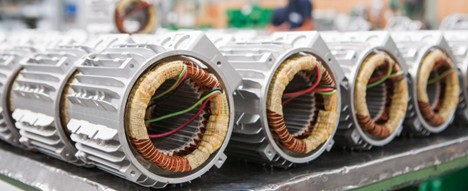
Electric motors serve a vast array of applications, from small-scale devices to large industrial systems. Key areas of use include:
1. Rail Transportation
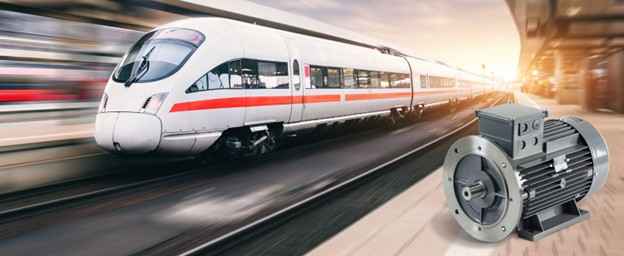
Electric motors provide the driving force for electric trains, subways, and high-speed trains. These motors must operate under harsh conditions, including vibration, high temperatures, humidity, and pressure fluctuations.
2. Manufacturing Industries
Electric motors are used to power assembly lines, conveyors, CNC machines, and various industrial equipment, providing stable and precise motion control.
3. Oil, Gas, and Petrochemical Sectors
Heavy-duty electric motors are critical for operating pumps, compressors, and other vital equipment in these industries.
4. Ventilation and Pumping Systems
Electric motors are widely used in chillers, pumps, HVAC systems, air conditioning units, and building facilities.
5. Automotive and Electrical Industries
In electric vehicles, small AC or DC motors power motion systems, steering mechanisms, and fluid pumps.
Main Components of an Electric Motor
Electric motors consist of mechanical, electrical, and thermal elements that must function in harmony to ensure optimal performance:
- Stator
The stationary part of the motor, typically containing copper or aluminum windings. It generates an alternating magnetic field. - Rotor
The rotating component placed inside the stator. It interacts magnetically with the stator and begins to spin, generating mechanical energy. - Shaft
The main axis connected to the rotor, responsible for transmitting the rotary motion to external equipment. - Bearings
Components that minimize friction between the shaft and the motor housing, enabling smooth and stable rotation. - Cooling System
Either air- or liquid-based, the cooling system dissipates the heat generated during operation, maintaining the motor’s performance within standard temperature ranges. - Insulation Materials and Protective Tapes
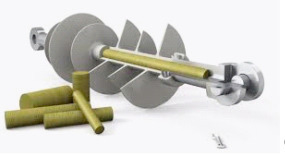
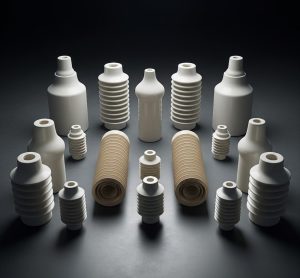
Used to prevent electrical discharges, reduce short circuit risks, extend winding life, and ensure stability under harsh environmental conditions.
The Importance of Insulation in Electric Motors
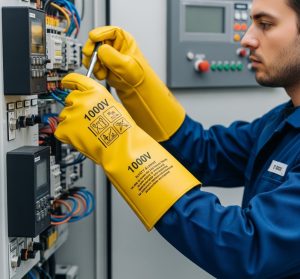
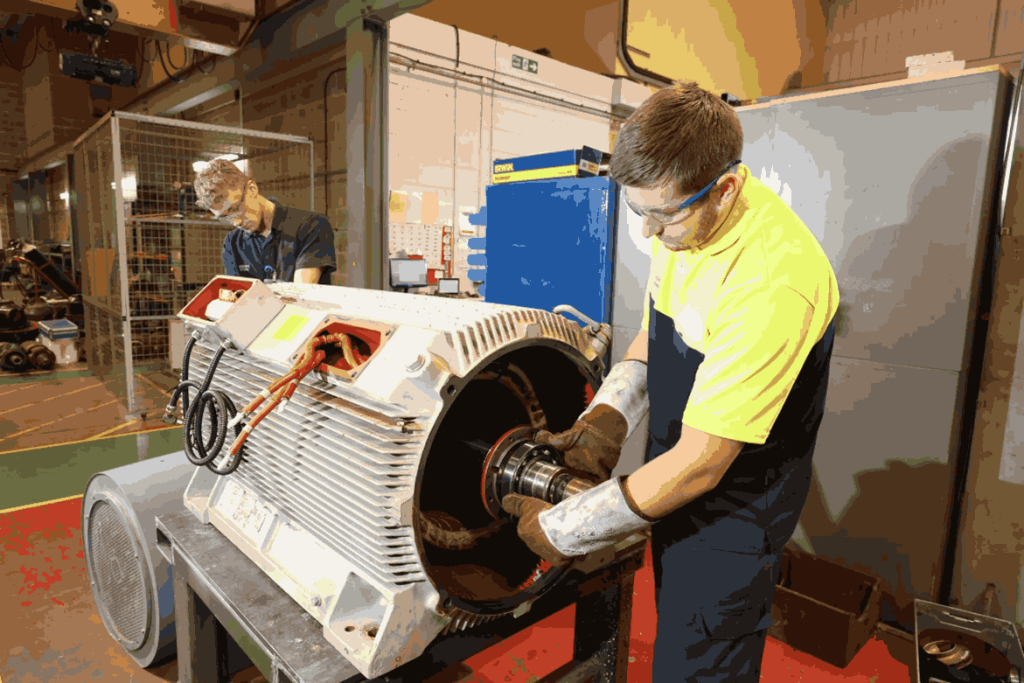
Insulation plays a vital role in ensuring the safety and proper performance of electric motors. Windings are exposed to thermal, electrical, mechanical, and environmental stress. Without proper insulation, risks such as electrical discharge, short circuits, and motor failure significantly increase.
Why Insulation Matters:
- Prevents direct contact between phases and ground
- Protects against overheating caused by high currents
- Extends the lifespan of windings and motors
- Reduces maintenance and production downtime costs
- Ensures stable operation in humid or contaminated environments
Silicone Tape: A Specialized Insulation Solution for Railway Motors
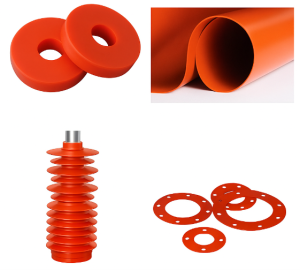
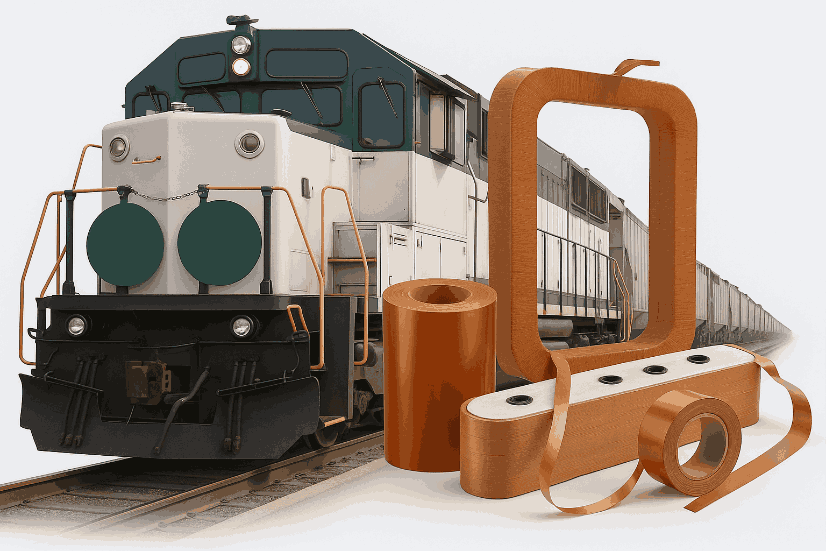
Silicone tape is a flexible rubber-based insulation product known for its exceptional thermal and electrical properties. It is especially designed for motor windings exposed to harsh environments, such as those in electric trains, which operate under conditions of vibration, extreme temperatures, and high humidity.
Advantages of Silicone Tape:
- High Thermal Resistance: Withstands temperatures up to 200°C and beyond in some cases
- Flexibility: Easy installation even in difficult winding areas
- Chemical Resistance: Resists oils, moisture, dust, and corrosive substances
- Electrical Stability: High dielectric strength to prevent electrical discharge
- Mechanical Durability: Ideal for environments with vibrations and mechanical shocks
Standard Testing for Motor Insulation
To guarantee the safety and functionality of electric motors, insulation systems must undergo standardized testing procedures. These tests assess the material’s resistance to heat, moisture, electrical stress, and aging.
Common Standards:
- IEC 60085: Classification of insulation materials by temperature rating (Classes A, B, F, H, etc.)
- IEC 60216: Determination of thermal endurance using accelerated aging tests
- IEC 60034-18: Testing of insulation systems for rotating electrical machines
- ASTM D149: Standard test method for dielectric breakdown voltage and dielectric strength
- ASTM D2240: Standard test method for rubber hardness (durometer)
- ASTM D412: Standard tensile test methods for thermoplastic elastomers
Key Insulation Tests:
- Insulation Resistance Test: Measures the electrical resistance between windings and ground to detect leakage currents.
- High-Potential (HiPot) Test: Applies high voltage to assess insulation’s ability to withstand electrical stress.
- Thermal Aging Test: Evaluates insulation behavior at high temperatures to estimate service life.
- Moisture Penetration Test: Simulates humid environmental conditions.
Adhesion and Flexibility Test: Checks mechanical integrity and performance under bending and vibration