Which Rubber Materials Can Withstand High Temperatures?
Excessive heat can gradually degrade rubber materials, leading to poor performance and premature failure. Therefore, high-temperature applications require rubber products that reliably perform under extreme heat. This article provides information about some of the best high-temperature resistant rubber materials available.
Natural rubber should not be used continuously in applications above 85°C. For many high-temperature uses, this is not sufficient. However, certain specially engineered synthetic rubber grades offer exceptional heat resistance at temperatures exceeding 300°C.
Here are five of the most notable high-temperature resistant rubber materials. For more details, please consult our materials properties guide.
Silicone
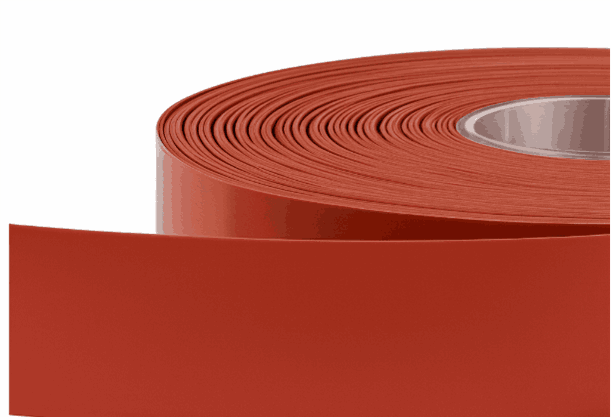
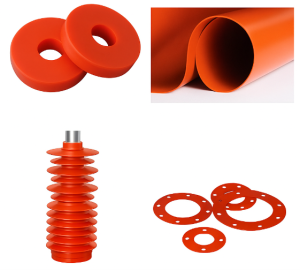
Silicone is the best available heat-resistant material. It offers outstanding resistance to high temperatures, with some compounds able to withstand up to 305°C. While silicone is suitable for exposure to UV, ozone, and weathering, its use at certain temperatures is not recommended, and it may not always provide the required mechanical properties.
Silicone is not a high-strength material and tears easily. However, we offer special composite grades with improved tear resistance compared to standard silicone. Fluorosilicone also provides stable chemical resistance with added high-temperature additives.
FKM (Viton®)
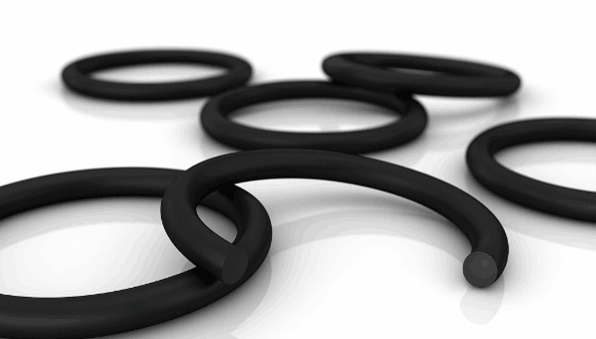
FKM is a family of fluorinated elastomers commonly known under DuPont’s Viton® brand. It is an excellent high-temperature rubber that maintains good mechanical properties and chemical resistance (to oils, fuels, lubricants, and most mineral acids) even at very high temperatures. Commonly used in O-rings and molded or extruded products, FKM offers the best fluid resistance among commercial rubbers.
CSM (Hypalon)
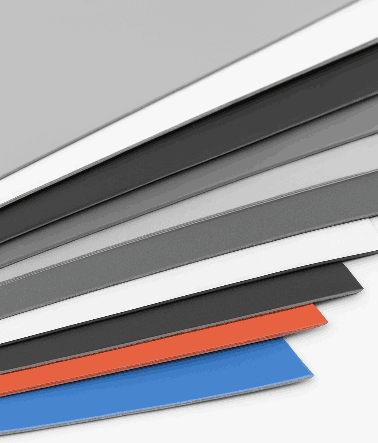
CSM (known as CSPE in the USA) is another synthetic rubber, commercially known as Hypalon. Chlorosulfonated polyethylene rubber provides excellent resistance to dry heat up to +120°C.
CSM also shows excellent resistance to ozone, UV radiation, weathering, and corrosive chemicals after curing. It exhibits good electrical properties, low flammability, and low gas permeability. However, it has relatively poor fuel resistance among high-temperature rubbers.
HNBR
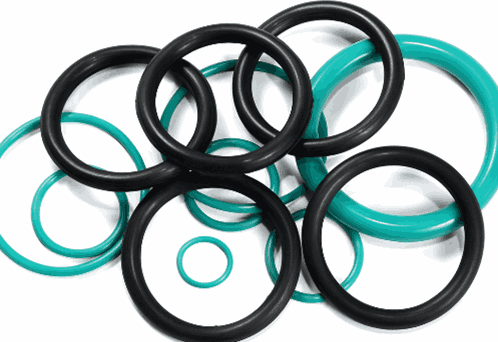
Hydrogenated Nitrile Butadiene Rubber (HNBR) is a unique elastomer derived from ordinary nitrile rubber by hydrogenating unsaturated bonds in butadiene. HNBR is highly resistant to elevated temperatures, tolerating much higher heat than regular nitrile, up to +150°C.
HNBR also has excellent resistance to oils, fuels, many chemicals, steam, and ozone, along with exceptional tensile and tear strength and good abrasion resistance. However, HNBR is relatively expensive and incompatible with aromatic oils or polar organic solvents.
EPDM
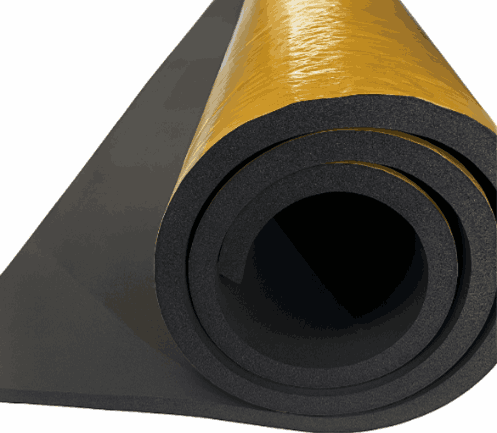
Ethylene Propylene Diene Monomer (EPDM) is a synthetic rubber copolymer of ethylene, propylene, and diene monomers. It offers excellent heat resistance and performs optimally up to +150°C. EPDM also provides excellent resistance to tearing, abrasion, steam, and compression.
While resistant to dilute acids, ketones, and alkalis, EPDM has poor resistance to petroleum fuels, most oils, and non-polar solvents. Due to its many favorable properties, especially heat resistance, EPDM is often used as a cost-effective polymer.